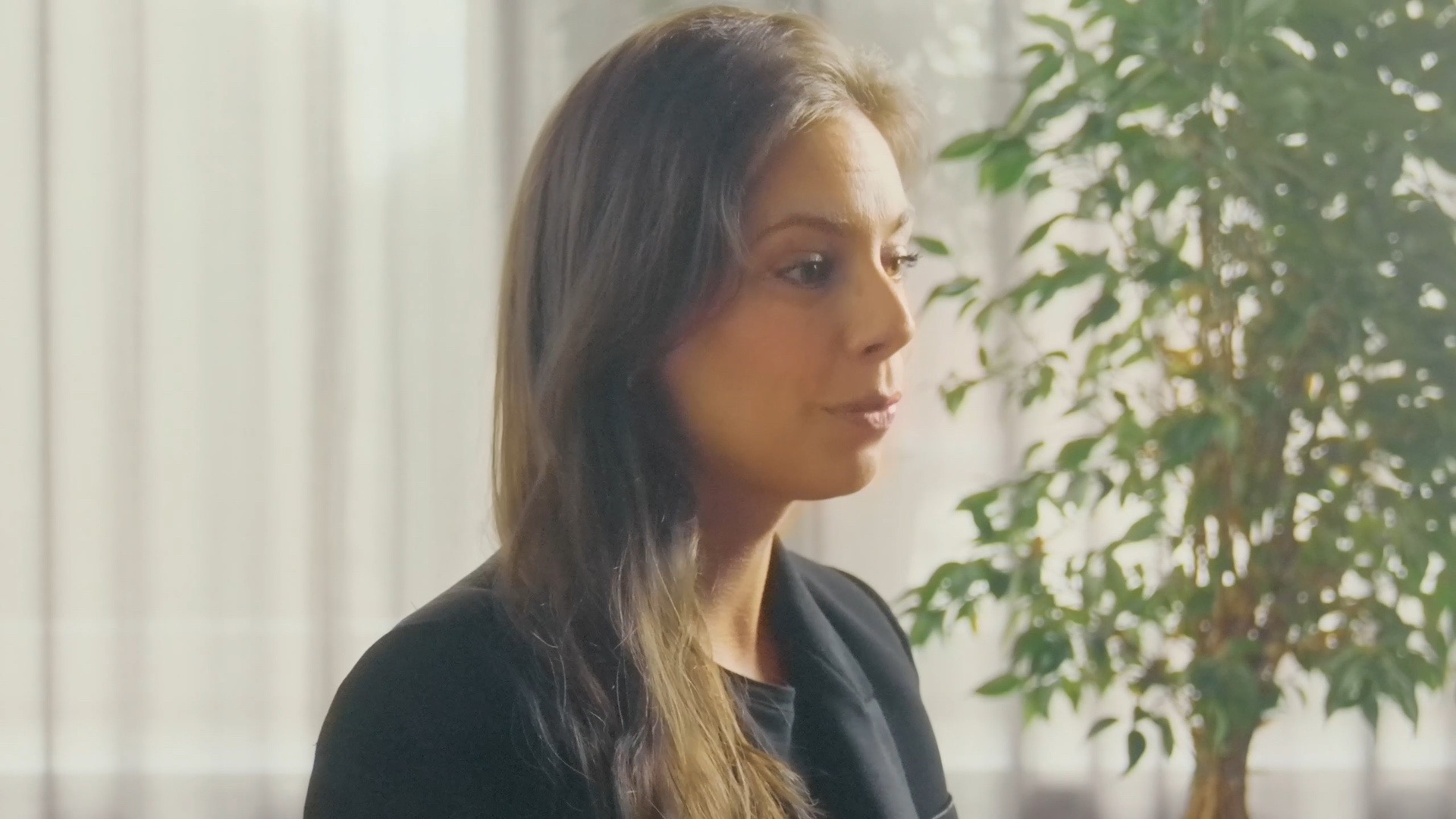
Few people are better placed to assess an AI tool for schools than someone who teaches every week and spends the rest of his time helping other educators move into an AI-enabled future. That's exactly what Nima does. Through his work at AI Education, he supports schools and teachers across the country in understanding what AI actually means for classroom practice — and what separates genuinely useful tools from the hype.
We invited him to share his perspective on Gradr, and on where teaching is heading more broadly.
A profession in transition
Nima's view is that AI is fundamentally shifting how teachers can and will work. The question is no longer whether AI belongs in education, but how to use it in ways that strengthen the teaching craft rather than dilute it. Done right, AI gives teachers back the one resource they never have enough of: time to focus on their students.
Faster feedback, deeper learning
One of the clearest examples Nima points to is formative feedback. Traditionally, the loop between a student handing in work and receiving meaningful, individualised feedback has been long, sometimes too long to actually influence learning. Nima uses Gradr to shorten that loop dramatically, giving students more frequent, more substantive feedback than was previously practical.
He also reflected on Gradr's product development over the past year. In his words, the platform has moved from being a promising idea on paper to a tool he finds hard to live without.
From individual feedback to whole-class insight
Nima was especially enthusiastic about a feature we recently launched: a class snapshot that gives teachers a data-driven overview of the strengths and needs across an entire group. Rather than only seeing what each student needs, teachers can now identify patterns at the class level, surface gaps in their teaching, and decide where to focus next.
This, Nima notes, is exactly the kind of opportunity AI should bring to education when it's applied with care.